

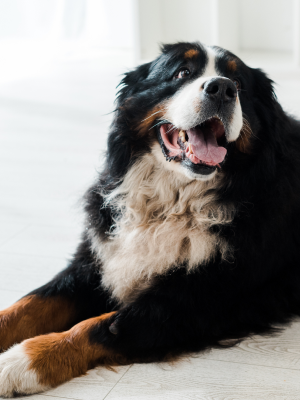
If you have a large dog, finding the right dog door can often be a difficult process. They have to be sturdy enough and the right size to allow your dog to pass through with ease.
Our Blog
Our Blog

21/4/26
Large Dog Pet Door
If you have a large dog, finding the right dog door can often be a difficult process. They have to be sturdy enough and the right size to allow your dog to pass through with ease. Luckily, there are options available to suit our larger canine friends. These doors are designed to support up to 45kg in weight, and are purpose built with robust materials for full-size dogs. When deciding on the right door, it’s important to measure your dog’s size, and consider your location, door type and materials. Read on to also discover how you can prepare your dog for its new door with some of our handy training tips.
Which Dog Breeds Need a Large Pet Door?
Dogs can come in all shapes and sizes. However, several breeds tend to produce the largest dogs. These breeds typically weigh more than 20 kg, and have a height of more than 55 cm. Some of the most common large breeds that require a large or extra large pet door are:
| Dog Breed | Average Height (cm) | Average Weight (kg) |
| Labrador Retriever | 54-57 cm | 25–36 kg |
| Siberian Husky | 53-60 cm | 20-27 kg |
| Boxer | 56-61 cm | 29–36 kg |
| Golden Retriever | 56-61 cm | 30-34 kg |
| German Shepherd | 60-65 cm | 30–40 kg |
| German Shorthaired Pointer | 62-66 cm | 20–32 kg |
| Bernese Mountain Dog | 64–70 cm | 38–50 kg |
| Doberman | 66–71 cm | 30-45 kg |
| Greyhound | 71-76 cm | 27-40 kg |
| Great Dane | 76–89 cm | 45-90 kg |
Source: https://dogsaustralia.org.au/
Importance of the Right-Sized Pet Door for Large Dogs
Before installing your pet door, it’s imperative that you find the correct size to suit your dog. This helps to ensure health and safety, by creating a comfortable doorway that’s perfect for them. If your door is the incorrect size, this can create unnecessary issues for both you and your dog, which can include:
- Door too short – If your door is too short your dog will need to lower its back and spine to fit all the way through. This can put strain on their hips and back, which may cause injuries if repeated.
- Door too narrow – When your dog tries to squeeze itself through a space that’s too narrow, their fur or skin can get damaged from the physical contact.
- Door too high off the ground – If your pet door is positioned too far off the ground, your dog will need to stretch to get through, which may create scraping across their belly.
- Door too big – An oversized door may not be secure enough. If it’s too big, this can allow easier access for pests or insects to get inside.
Best Pet Doors for Large Dogs
Pet-Corp Large Dog Door for Glass
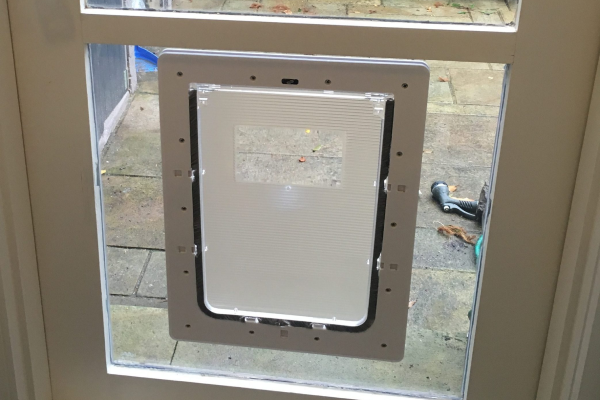
Our first choice is the Pet-Corp large dog door, designed for installation onto glass, including security screens or sliding panels. It’s made from robust polycarbonate materials that are ready to handle all the demands of a big dog. It’s also big enough to allow larger breeds to move through comfortably, with an opening height of 425 mm and a width of 295 mm. If the perfect spot for your dog door is through glass, then we highly recommend requesting a quote. This is also great for anyone with a dog over 22 kg, such as Huskies or Golden Retrievers.
Petway Large Dog Door for Screens
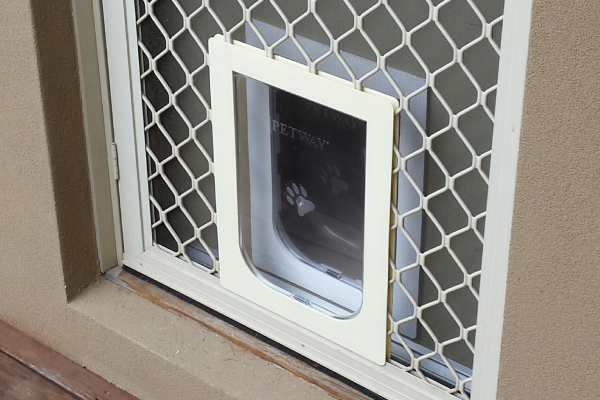
This door can be installed through any insect or security screen door. The Petway screen slimline door can last for many years, mostly thanks to its strong polycarbonate door and UV-resistant plastic. Although installation into a screen can be complex, the Petway door doesn’t even need you to remove the door. It can also take large dogs up to 25 kg, and features an opening width of 260mm and a height of 400mm.
Petway Large Dog Door for Timber
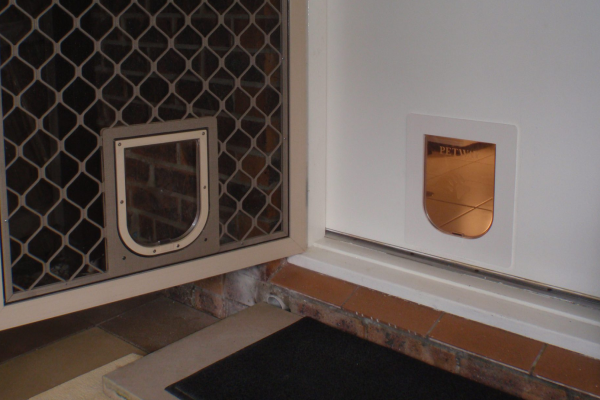
The Petway timber door is simple to install and incredibly durable. Perfect for timber doors or walls with a thickness of between 28-60mm. Everything about it is designed to cater for your pet. It has a flap that is completely transparent, which makes it easy to encourage your dog to pass through during training. Also if you’re concerned about any bugs entering your home, it’s also fitted with a magnet that shuts the flap immediately after use, which also works to reduce any heat or cold air from flooding inside.
This pet door can also be aligned perfectly with your screen door. This means your dog can pass through two layers with ease. Regardless of whether one door is open or closed, they can operate independently or coexist together without affecting your dog’s freedom.
Super Large Dog Door
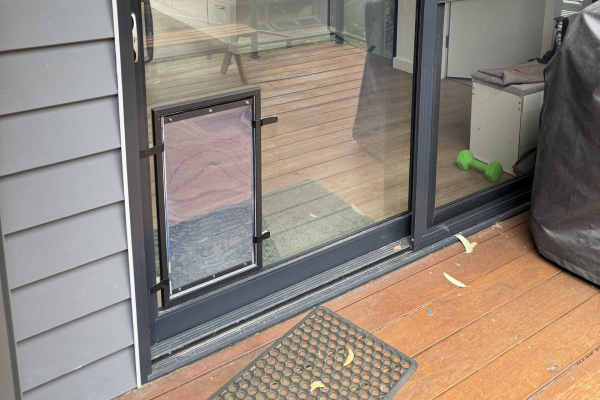
Don’t worry if your house pooch is extra huge as the Super Large Dog Door is made specifically for bigger breeds, such as the Rottweiler or Bernese Mountain Dog. Everything about this door is designed to be strong and robust. It’s fitted with an extra heavy duty aluminium frame to handle even the largest of loads of up to 45 kg. This door can also be installed to most surfaces in your home. With hidden screws, and a low-profile design, this door can seamlessly blend to any home aesthetic.
What to Consider When Choosing the Best Dog Door
To make sure you get the right dog door for both you and your canine friend, we recommend weighing up the following factors:
Dog size
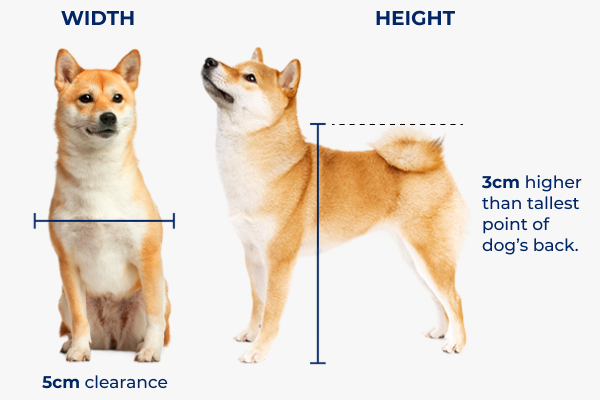
Measuring your dog should be one of your first considerations when choosing the right door. Keep these measurements handy, as each dog door will have specific size dimensions. Start by getting them to stand up, and measure from the floor to the top of their shoulders. For the comfort of your dog, the door flap should be around 3 cm above the top of your dog’s back. For their width, measure across their widest part, usually across their shoulders. There should be around 5 cm clearance between the widest part of your dog and the widest part of the door. Also consider the age of your dog too, as you will need to estimate their future size if they are still a puppy.
Location
Finding the right location for your door can make or break its effectiveness, and may impact the type of door you choose. The most common locations to have them installed are through a door, wall, security screen or glass. Where you choose to install will depend upon the layout of your home. Your door should lead out to an enclosed area that you feel comfortable allowing your dog to enter, such as a backyard or courtyard.
Pet door type
Not all pet doors are the same, and you may find yourself deliberating about the best type for you. The best choice will be the one that suits your needs the best. The following are the major dog door types:
- For screen doors – Made specifically for screen doors, these pet doors come in a wide variety of sizes and are applicable for different types of screens, such as security, mesh or insect doors. They are also designed to withstand different weather conditions, with durable materials and UV protection ensuring a long lifespan. They do require a more intricate installation, and we recommend a professional installation if possible. This is because of the complexity of screen doors, especially when compared to timber.
- For glass doors – These doors can fit on single or double-glazed glass and the majority of sliding doors. They are available in a variety of sizes, and sit flush with your glass door. This is a great option if you have a sliding glass door leading to an enclosed area like a backyard. Glass doors are also one of the simplest locations for installation, depending on your glass type. For example, single-glaze can be cut and installed within just one day. However, choosing to install through toughened, or double-glazed glass can be more complex. This often requires the entire panel to be replaced with a new, pre-cut unit for your pet-door, which may require a return visit. Glass is also a fragile material, and you must choose a professional to install through the existing glass safely.
- For timber doors – Though timber is one of the most popular choices for good reason, they are easy to install and super affordable. They can also be put through practically any type of timber, such as a wall or door. You can even choose to install one yourself, with just a few tools and some handyman skills. However, to ensure you get the best results, professional installation is the preferred option.
- Microchip dog doors – Enter the future with a microchip dog door. These work by linking a microchip implanted in your dog to the door. When your dog walks up, it opens automatically by recognising the microchip. Never fear if you have multiple pets too, as these doors can recognise as many as 32 different microchips. If security is a priority, then this door is certainly your best bet. Because of its electrical design, it can be programmed to lock automatically at certain times of the day, helping to prevent any potential break-ins through your pet door. This option will cost more than a standard door, with professional installation also required to ensure the electronics are working correctly. However, this is an exciting option for the modern pet-owner.
- Custom dog doors – If standard doors aren’t right for you or your dog, you could choose a custom design. These are a great option for pet owners with a much larger dog that is either too wide or tall for a normal door. By going custom, you ensure your new door fits perfectly to your dog’s measurements. They can also be designed to be put through security, timber or glass doors. Ideal choice if you are struggling to find the right door that fits your needs. However, because of the extensive customisation, it will typically be more expensive than pre-designed choices.
- Materials – Most pet doors are usually designed from vinyl, plastic, and metal. The biggest difference between these is how strong they are, and it is important to choose the right material that withstands your dog going in and out repeatedly. The outside of your door is the frame, which is usually constructed out of plastic or metal. If you own a gentler dog, then opting for a plastic material could be viable as although it is cheaper, it lacks the toughness of metal. Flaps are also commonly constructed from plastic; however, if you own a more energetic dog then opting for a sturdier vinyl flap could be more appropriate.
Given their size, choosing a door for a large dog can be tricky. Thankfully, there are a range of doors designed just for bigger breeds that ensure your dog feels comfortable travelling in and out of your home. By assessing the size of your dog, as well as location and door type, you can feel confident in making the right purchase. Familiarising yourself with dog training tips can also get your new door functioning as fast as possible. For further advice, the team at Sydney Pet Doors are the experts in all things dog doors.
Latest Posts
Latest Posts
When installed by a professional, a pet door in glass typically costs between $500 and $1,000+. The final cost will depend on several factors, including the […]
When you bring a puppy home it is natural to want to take it outside. Puppies are playful and inquisitive and want to go out and […]
Questions? We’re here to help.
 0455 793 738



