

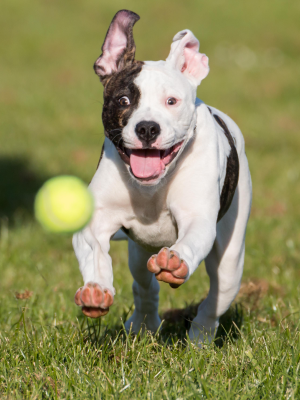
Any dog lover knows the signs their dog is excited at the prospect of going for a walk. Their wagging tail, exuberant jumping, or biting the leash are all indicators of the joy and anticipation of their next adventure.
Our Blog
Our Blog
13/3/26
How Much Exercise Do Dogs Need?
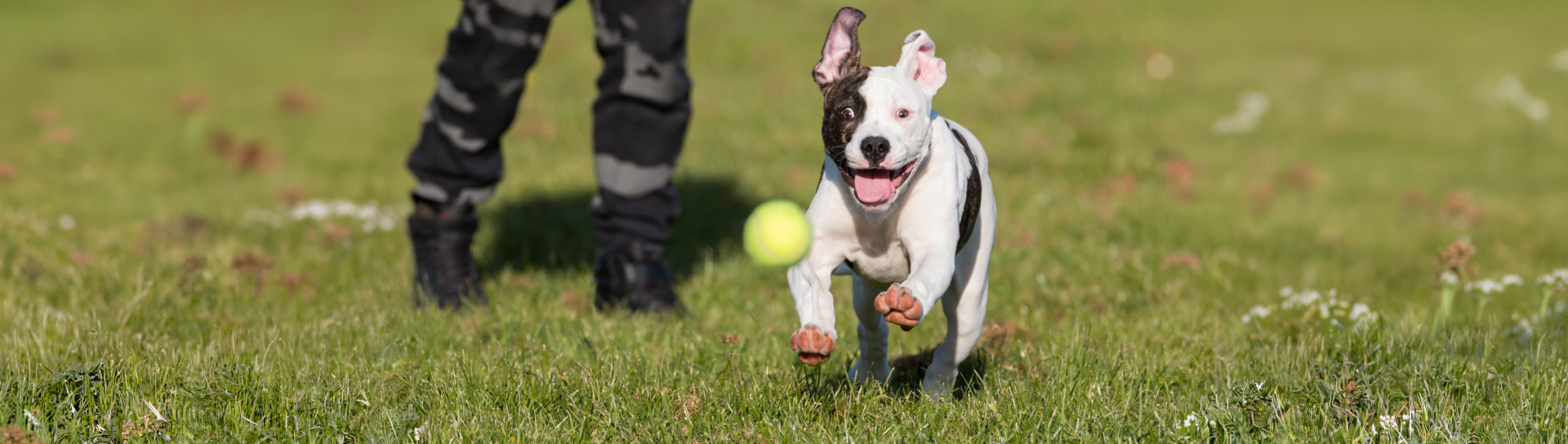
Any dog lover knows the signs their dog is excited at the prospect of going for a walk. Their wagging tail, exuberant jumping, or biting the leash are all indicators of the joy and anticipation of their next adventure. Exercise is essential for dogs, it keeps them physically healthy and mentally stimulated. On average, dogs need about 30 to 60 minutes of exercise a day, but this can vary wildly from 15 minutes up to 2 hours! Breed, age and fitness level are all determining factors of the amount of exercise your dog might need. High energy breeds like Border Collies and Kelpies need far more exercise than lower energy breeds like Pugs. At the same time, older dogs with health issues will need less exercise than young healthy dogs with high energy levels. Puppies also need less exercise than you may think. Read on to learn about how much exercise your dog needs.
Average Amount of Exercise Dogs Need by Breed Size and Age
All dogs need to be exercised. This is an average of the amount of exercise a dog might need, when taking into account breed size and age.
| Breed size | Small breed (Chihuahua, Cavalier King Charles Spaniel) |
Medium breed (Cocker Spaniel, Beagle, Labrador, Staffy) |
Large breed (Golden Retriever, German Shepherd) |
| Puppy (birth to one year of age) |
5 minutes of exercise for every month of age. An eight week old puppy could have two 10 minute walks a day. | 5 minutes of exercise for every month of age. An eight week old puppy could have two 10 minute walks a day. | 5 minutes of exercise for every month of age. An eight week old puppy could have two 10 minute walks a day. |
| Adult (one to seven years of age) |
30 to 60 minutes of exercise per day. | 90 minutes to two hours, broken up during the day. | 30 to 60 minutes to two hours of exercise per day. |
| Senior (eight years of age onwards) |
30 minutes of gentle exercise, broken up into sessions. | 30 to 60 minutes of low impact exercise, broken up into sessions. | 30 to 60 minutes of gentle, low impact exercise, broken into sessions. |
Why do Dogs Need to Exercise?
Dogs need regular exercise for their physical and mental health. It helps to ensure they are less likely to suffer from arthritis, obesity and emotional issues like anxiety. The main reasons dogs need exercise are:
Physical health:
Exercise is the best way to keep a dog physically healthy.
- It burns calories and keeps weight under control, preventing obesity which is a common problem for some dogs.
- It strengthens muscles and bones which improves their quality of life. Strong muscles and bones allow dogs to have good mobility and physical strength they need to run around and enjoy life. Regular exercise stimulates the skeletal system and improves the support structures around them. Bone density is improved which is essential for an active lifestyle.
- It aids digestive and urinary health by stimulating regular bowel movements and eliminating the potential for constipation or urinary tract infections.
- It promotes cardiovascular health by strengthening the heart so that blood can pump more efficiently. This controls blood pressure, lowers cholesterol, and improves circulation.
Mental health:
Regular exercise is essential for a dog’s mental health, which improves their quality of life.
- It reduces stress and anxiety by releasing endorphins, the body’s natural stress relieving hormones. Exercise is essential for managing anxiety in dogs which can result from medical issues, genetics and even separation. Exercise can provide a positive outlet for nervous energy in dogs.
- It reduces destructive behaviours by relieving boredom or expending excess energy that may have built up. Dogs that are bored or have energy to burn need an outlet for their energy which can present in destructive behaviour. Exercise is a way to dispel that energy and alleviate the behaviours like chewing, digging and barking.
- It improves cognitive function by stimulating the growth of new brain cells. Physical exercise boosts circulation which sends more oxygen and nutrients to the brain.
- It enhances social skills by providing the opportunity to interact with other canines and humans. Exercising a dog with visits to the park or group walks helps dogs with their social behaviour and strengthens their bond with both people and animals.
- It reinforces positive behaviour by strengthening the bond between the dog and its owner. Taking a dog for a walk or playing fetch or tug of war creates a stronger bond with a dog and offers an opportunity to reward good behaviour. Using treats or toys as a reward teaches a dog positive reinforcement.
Factors that Influence Exercise Needs
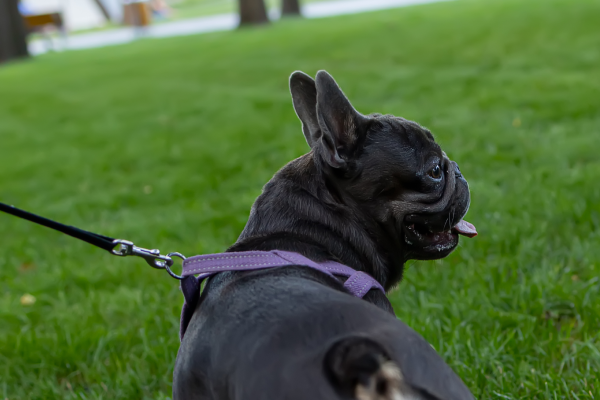
The right amount of activity maintains a dog’s overall health. Factors that influence how much exercise a dog needs range from its age and breed to its fitness level.
Age
A dog’s age is often a determinant of its energy levels. These three age categories require different levels of exercise.
- How much exercise puppies need: Puppies need a lot of stimulation to burn off energy but in short bursts of activity. It must be low intensity to protect their developing joints. Good exercises for puppies are gentle play or short walks.
- How much exercise adult dogs need: Between 30 minutes and two hours of exercise per day is the ideal amount for an adult dog. This may be walking, running, swimming or playing games.
- How much exercise senior dogs need: Senior dogs generally need less exercise than younger dogs. Usually about 20 to 30 minutes per day for small dogs, but up to 60 minutes for larger dogs depending on their health. Exercise should be low impact like gentle walks, light play or swimming.
Breed
The genetic makeup and physical traits of different dog breeds means they have different exercise requirements. Dogs bred for hunting or pulling sleds tend to require more exercise than those bred as companions. These breeds of dogs all require different levels of exercise.
- Herding breeds: These breeds were designed for demanding jobs so they require large amounts of exercise. Dogs like Border Collies or Australian Shepherds need about two hours of intense activity per day. These types of dogs also have above average intelligence so keep exercise appropriate to their physical and mental energies.
- Working breeds: Working breeds of dogs were bred to do tasks like pulling sleds, guard property or provide protection. Examples of these types of dogs are the Labrador Retriever or Rottweiler who tend to require about one to two hours of vigorous physical and mental exercise per day.
- Non-sport breeds: These mainly companion animals require much less exercise than the former. They may be anything from Bulldogs and Shih Tzus to Poodles, but they all require less exercise for their physical and mental health. Many non-sport breeds can be satisfied with 15 minutes of exercise twice a day.
- Terrier breeds: Known for their high energy, terrier breeds require about 60 minutes of daily exercise. They are smart dogs and need activities to engage their mind and body.
- Hound breeds: Hounds often need less exercise than other breeds because their energy release is often in short bursts rather than sustained activity. This does vary between slighthounds and scenthounds however. Slighthounds like Greyhounds are sprinters and require less exercise than scenthounds like Bloodhounds who require more activity. On average, a dog within the hound breed needs about one hour of exercise per day. You may be surprised to read that Greyhounds only require 20 to 30 minutes walk daily, happily sleeping up to 20 hours each day.
- Brachycephalic breeds: This breed of dog usually needs the least amount of exercise due to their propensity to have breathing difficulties. This is especially important during warm weather, where it can become harder to breathe during exercise. While some breeds within this category differ, most brachycephalic dogs need about 30 minutes of exercise a day for their health and wellbeing.
Fitness level
Health and fitness will be a major determinant of the level of exercise regardless of the type of dog. An unwell dog or one with physical injuries will not need the same amount of exercise as a healthy canine. Fitness and health issues that may impact exercise requirements include:
- Respiratory or heart problems: Dogs with respiratory or heart problems are unable to exercise as much due to the reduction of oxygen required to meet activity demands. Any exercise should be short and low impact.
- Physical injuries: With physical injury a dog needs rest and recovery rather than an exercise regime. The reduction of exercise requirements will depend on the type and extent of the injury.
- Arthritis: A dog with arthritis needs gentle, regular exercise that is low impact. Exercise should be in short sessions of about 10 to 20 minutes depending on the severity of the condition. A dog physiotherapist can support in gentle exercises and a regime to suit specific conditions.
- Post surgery: follow your vet’s advice on how to appropriately rest, then build your dog back up to their regular exercise routine.
Types of Exercise for Dogs
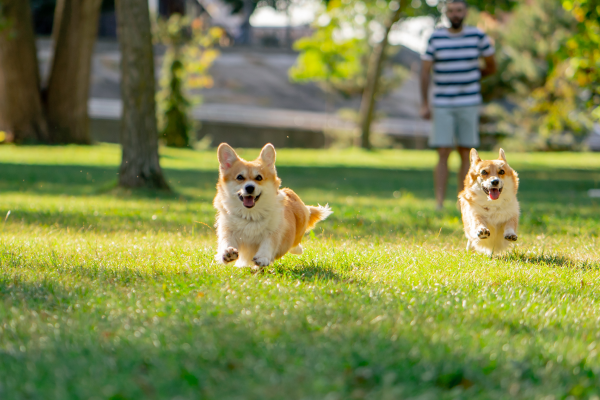
Exercise can be any number of activities, both indoors and outdoors, and each helps your dog stay fit and healthy. Types of exercise for dogs include:
- Walking: Walking a dog is the most common exercise. It is ideal for any type of dog as it is low impact and can be done at your own pace. Walks can be around the block, in parks, on the beach or walking tracks.
- Running: For active dogs, running is a great way to exercise to burn off energy. Assess your dog’s health and temperament to establish if running is a suitable exercise.
- Catching ball/Tug of war: Throwing and catching a ball is a great exercise for all types of dogs. It is good cardio and an excellent bonding exercise. In the same way, tug of war is excellent for play and exercise.
- Swimming: Every type of dog, particularly seniors or dogs with arthritis, usually enjoy swimming.
How to Tell if Your Dog Needs More Exercise
There are definite signs your dog might need more exercise which will often be displayed in their behaviour. These include:
- Destructive behavior: A dog that is biting, chewing, scratching or destroying things is usually trying to get rid of excess energy. They are most likely in need of more exercise.
- Anxiety: Anxious dogs can benefit significantly from increased exercise as it burns off excess energy and reduces stress by releasing endorphins.
- Howling or barking: Dogs that seek attention from behaviours like howling and barking may have excess energy to dispel. Provided the dog has no physical injuries or pain that may cause this behaviour, a regular walk or exercise can relieve that pent up energy.
- Weight gain: A dog that is gaining weight usually needs to be exercised more.
How to Tell if Your Dog Needs Less Exercise
A dog that is over exercised will display certain signs. Here is how to tell if your dog needs less exercise.
- Sore muscles: If your dog is stiff and finding it hard to walk or move, they may have sore muscles from too much exercise.
- Heat exhaustion: A dog that has been out in the heat exercising for too long may suffer from heat exhaustion. They will be lethargic, pant excessively, drool or even be sick.
- Tiredness: An overly exercised dog will appear physically exhausted, sleep longer, be less energetic and less enthusiastic for play and exercise.
Exercise Safety for Dogs
To keep dogs safe during exercise, follow these tips.
- Know your dog’s limits: Keep an eye on how your dog is feeling when exercising and be aware of their limits.
- Collar and lead: Always keep your dog on a lead particularly in unfamiliar areas.
- Keep out of hot weather: Do not take your dog out in extreme heat as they overheat quickly.
- Hydrate: Make sure you have water on hand for your dog during exercise to avoid dehydration.
- Careful near roads: Be careful near roads, particularly in busy or built-up locations.
Regular exercise is essential to keep a dog happy and healthy. Whether it’s a 15 minute walk or a long, one hour hike, your precious pooch will benefit from the consistent activity. Exercise reduces stress, prevents boredom and strengthens the bond between pet and owner. The right amount of exercise depends on your dog’s age, breed and health. A dog door from Sydney Pet Doors can help meet exercise needs by providing 24/7 access to the outdoors for self-directed playtime between outdoor sessions.
Latest Posts
Latest Posts
When installed by a professional, a pet door in glass typically costs between $500 and $1,000+. The final cost will depend on several factors, including the […]
When you bring a puppy home it is natural to want to take it outside. Puppies are playful and inquisitive and want to go out and […]
Questions? We’re here to help.
 0455 793 738



