

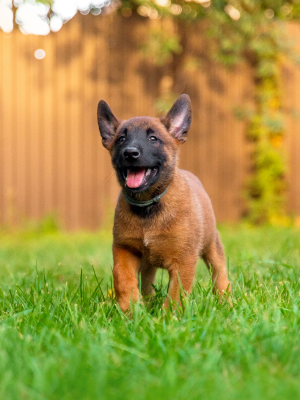
When you bring a puppy home it is natural to want to take it outside. Puppies are playful and inquisitive and want to go out and explore the world. However, if you take a puppy outside too soon, they may be exposed to serious health risks such as infectious diseases. It is imperative to keep them safe by avoiding public areas until two weeks after their final vaccination.
Our Blog
Our Blog
3/7/26
When can Puppies go Outside?
When you bring a puppy home it is natural to want to take it outside. Puppies are playful and inquisitive and want to go out and explore the world. However, if you take a puppy outside too soon, they may be exposed to serious health risks such as infectious diseases. It is imperative to keep them safe by avoiding public areas until two weeks after their final vaccination.
A Puppy’s Early Vulnerability
When puppies are born their immune system is not fully developed so there is minimal protection against infections. They receive some early immunity from their mothers first milk known as colostrum which contains antibodies that the mother has been exposed to or vaccinated against. However, these antibodies protect the puppy for only a few weeks, and are directly proportional to the mother’s immunity level.
When you bring a puppy home at about eight to nine weeks they may still have some antibodies but not sufficient enough to protect against diseases like parvovirus, distemper or adenovirus. Ironically, even a small amount of antibodies can prevent vaccinations from working at this stage. This gap in protection occurs when the passive immunity passed on from the mother fades while the puppies own immune system is not yet strong enough to fight off disease. It occurs between six and 16 weeks and means the puppy is not fully safe from infectious diseases until two weeks after their final immunisation. During this period of vulnerability, it is important to avoid high risk areas such as public parks, dog parks, pet stores and walking trails.
The Most Common Diseases a Puppy can Catch
The most common types of diseases a puppy can catch are:
- Parvovirus: This is a virus that has symptoms such as diarrhea, vomiting, and dehydration. It can lead to death in young susceptible puppies.
- Adenovirus: This is a type of liver disease or canine hepatitis that causes fever, and abdominal pain.
- Distemper: When a puppy has distemper it may have a fever, cough, and potential seizures.
- Kennel cough: Puppies with kennel cough suffer from a harsh and dry cough that is extremely contagious.
Understanding the Vaccination Schedule
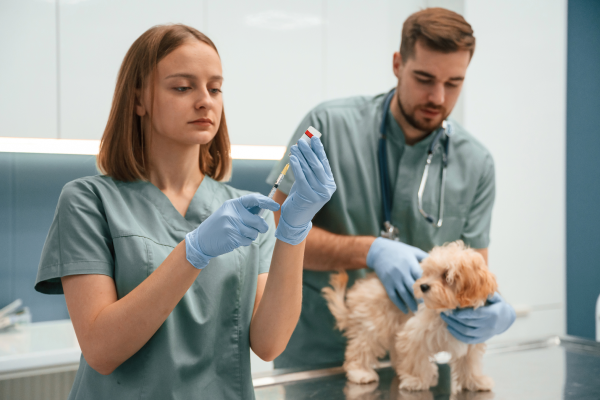
The vaccination schedule for puppies usually starts when they are between six and eight weeks of age. Vaccinations typically follow a three stage schedule, with injections four weeks apart. Dog vaccines are classified as C3, C4 and C5, which indicate which infectious diseases the vaccine protects against.
- First vaccination: Usually around 6 to 8 weeks of age.
- C3 or core vaccine.
- Protects against: Canine Distemper, Hepatitis, and Parvovirus.
- Second vaccination: Usually around 10 to 12 weeks.
- Booster C3 vaccine, often combined with Canine Cough protection (C4 or C5).
- Protects against: Canine Distemper, Hepatitis, Parvovirus, Canine Cough.
- Third vaccination: Usually around 14 to 16 weeks.
- Final core vaccination (C3 or C5) to ensure immunity as maternal antibodies are usually gone by this stage.
- Protects against: Canine Distemper, Hepatitis, Parvovirus, Canine Cough.
When to Introduce a Puppy to Outside
You can take a puppy outside before vaccinations are complete if it is in your own private backyard provided it is secure and clean.
- Secure the backyard: Inspect fences and gates for tiny gaps as puppies can escape or get trapped. Fences should be strong and extend to the ground to prevent digging underneath.
- Evaluate safety: Backyards must be safe from items that could cause the puppy injury. There may be poisonous plants like lilies, daffodils, English ivy and azaleas that are all toxic to dogs. Ingestion of these plants may cause symptoms from mild gastrointestinal upset to severe life threatening complications.
- Keep it private: Ensure that the backyard is free from the presence of unknown or unvaccinated dogs to protect your puppy. Canine parvovirus is extremely contagious and can survive in the soil of a backyard for up to 12 months.
- Introduce gradually: Start by taking the puppy outside for five to 10 minutes at a time. Let it get used to different scents and sounds outside and keep an eye on any reaction. If the puppy seems overwhelmed or scared, take it inside.
- Controlled access: If possible, allow access to a small part of the backyard by sectioning off an area for the puppy to play in. This is far less overwhelming and safer than wide open spaces.
Using a Dog Door for Safe Outdoor Access
When puppies are not fully vaccinated and limited to a private backyard, a dog door is an ideal way to give them independent access to the outdoors. With strict supervision, puppies can start to be trained to use a dog door at about eight to 12 weeks of age. Ensure the dog door is low enough for them to step through comfortably and the yard is fully secure. To train a puppy to use a dog door, requires positive reinforcement and a gradual approach. Start with the flap open and use high value treats to build confidence. Never force the puppy through the dog door as this can cause fear and hesitation. Unsupervised access should be avoided until the puppy is fully vaccinated and reliably toilet trained. Ideally, dogs can usually enjoy unattended freedom at around six months to one year, depending on their development and consistency.
When to Take a Puppy to a Public Place
It is only safe to take a puppy to a public place like a park or out for a walk after the final vaccinations are completed. Most vets recommend about 14 days after vaccinations are finished to allow the puppies immune system to fully respond to the vaccine. Usually the puppy will be about 16 to 18 weeks of age by this stage.
Safety Tips for Public Outings
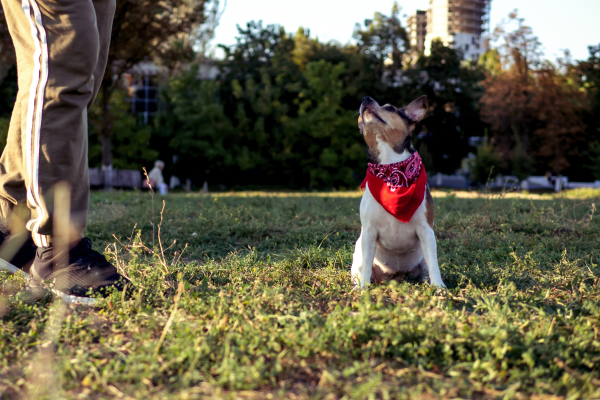
Taking a puppy on a public outing is an exciting time and a vital part of socialisation. The puppy will be exposed to all sorts of other dogs, people, noises and smells which can be overwhelming. To keep your puppy safe when out in public and make sure it is a positive experience, these strategies may help.
- Identify potential hazards: Prior to taking your puppy to a public area, do a pre-visit investigation. Identify if there are any roaming dogs or environmental hazards that could cause the puppy harm.
- Check for the quiet times: Find out when the area is overcrowded with dogs and people to identify what times to avoid.
- Keep an eye on your puppy: It is essential to keep a close eye on your puppy when out in public. There are a number of dangers such as other dogs or environmental hazards that can cause harm.
- Be mindful of dog parks: Dog parks are particularly high risk, high arousal areas for dogs where issues can escalate quickly. Be mindful about taking a young puppy to a dog park as regular dog users of the park may be territorial and regard newcomers as intruders. Young puppies are typically small and not equipped to defend themselves from older dogs.
Importance of Timing and Socialisation for Puppies
Proper timing and socialisation is essential for puppies to ensure they grow up to be confident and well adjusted. Gradually exposing the puppy to new people, dogs, environments and stimuli is an essential part of their development. Between three and 16 weeks of age is the most critical time as the puppy’s brain is open to new experiences which allow them to form positive associations instead of fear.
The Importance of Timing
The right timing to start socialising puppies is crucial as it balances the need for interaction with the significant risk of contracting diseases. While it is crucial to protect puppies from life threatening conditions, total isolation is not ideal as this is a key period for learning. Puppies between three and 16 weeks need to be introduced to the outside world with its different scents, sounds and sights in order to help them respond when they are older.
Puppy Socialisation Timeline
- 3 to 8 weeks: Puppies learn from their mother and littermates. Gentle handling and environmental exposure to sounds and smells starts at around 10 days to three weeks. Usually breeders or pet shelter staff handle this initial socialisation stage.
- 8 to 12 weeks: This is when puppies will usually go home with their new owners. This is the key period for introducing the puppy to stimuli like sounds, scents and different objects. The puppy can be taken outside to a private backyard provided it is safe and secure. At this stage, socialisation involves members of the family and exploring outdoors. It is not safe for a puppy to go to a dog park or public space yet as vaccinations will not have provided full immunity.
- 12 to 16 weeks: Socialisation at home should continue with regular periods of time spent outside. You can also take the puppy for car rides or arrange playdates with vaccinated, friendly dogs. Puppies can attend puppy school at around 12 to 16 weeks provided they have had their first vaccination
- 16 plus weeks: Typically at around 18 weeks, two weeks after the final vaccination, puppies can begin to be socialised in public spaces like dog parks or beaches. Maintain a consistent routine for walks and training to provide stability.
The Importance of Socialising
Socialisation not only helps your puppy get used to other dogs; it builds confidence, prevents long term problems and improves quality of life. Unsocialised dogs often become timid, fearful or aggressive which can lead to a high risk of biting, severe behavioural issues and potential euthanasia. Dogs with poor socialisation may freeze, hide or escape when overwhelmed. They often suffer from anxiety and are more likely to be surrendered to shelters due to their uncontrollable behaviour. It is imperative to socialise your puppy to help with:
- Confidence building: Socialisation helps puppies feel more comfortable and confident in diverse environments. They become accustomed to sounds, people and other dogs which reduces the likelihood of fear based behaviours.
- Social skill development: Puppies that have proper socialisation know how to act in the world. They are able to learn to interpret subtle body language clues from other dogs and know when to approach or back off. Socialisation teaches puppies not to jump on every person they meet or rush directly to every dog. They learn the rules of playing and the importance of being less rough with smaller dogs.
- Handling and care: Socialisation acclimatises puppies to human touch which turns necessary grooming and vet care into less stressful situations.
Frequently Asked Questions
Why can’t my puppy go outside for a walk before final vaccinations?
- Puppies have low immunity to life threatening diseases like parvovirus which are carried by other dogs and can live in the soil for months. They must be kept away from public spaces until they have full immunity two weeks after their final vaccination.
How do I socialise my puppy if I can’t take it for a walk?
- Take your puppy outside in a safe, secure backyard to experience scents, sounds and different stimuli. After eight weeks, go for drives in the car or socialise with known, fully vaccinated dogs in safe areas.
Can my puppy go into the backyard?
- Yes, your puppy can go into the backyard but must be supervised at all times.
How long can my puppy stay outside in the backyard for?
- The puppy can stay out in the backyard for about five to 10 minutes initially under your supervision. As they grow to adults, by 12 months to two years, the dog can be left outside for extended periods of time.
What age can I take my puppy out in the backyard?
- You can take the puppy out into the backyard when you bring it home, usually about eight to nine weeks of age.
What age can I take my puppy for a walk?
- You can take your puppy for a walk in public at about 18 weeks or two weeks after final vaccinations.
Knowing when to take a puppy outside is important to protect their health and facilitate essential socialisation. Puppies need to stay away from other unknown dogs and public places before they are fully vaccinated at about 18 weeks. However, they do need some socialisation and outdoor exposure prior to this. Having a puppy in a private, controlled environment like a secure backyard is an effective way to introduce new scents, sounds and textures while ensuring safety through this critical three to 16 week socialisation window. Installing a dog door from Sydney Pet Doors is an ideal way to give your new puppy a taste of the outdoors and build confidence, independence and a healthier lifestyle in years to come.
Latest Posts
If you have a large dog, finding the right dog door can often be a difficult process. They have to be sturdy enough and the right […]
Any dog lover knows the signs their dog is excited at the prospect of going for a walk. Their wagging tail, exuberant jumping, or biting the […]
Questions? We’re here to help.
 0455 793 738



